
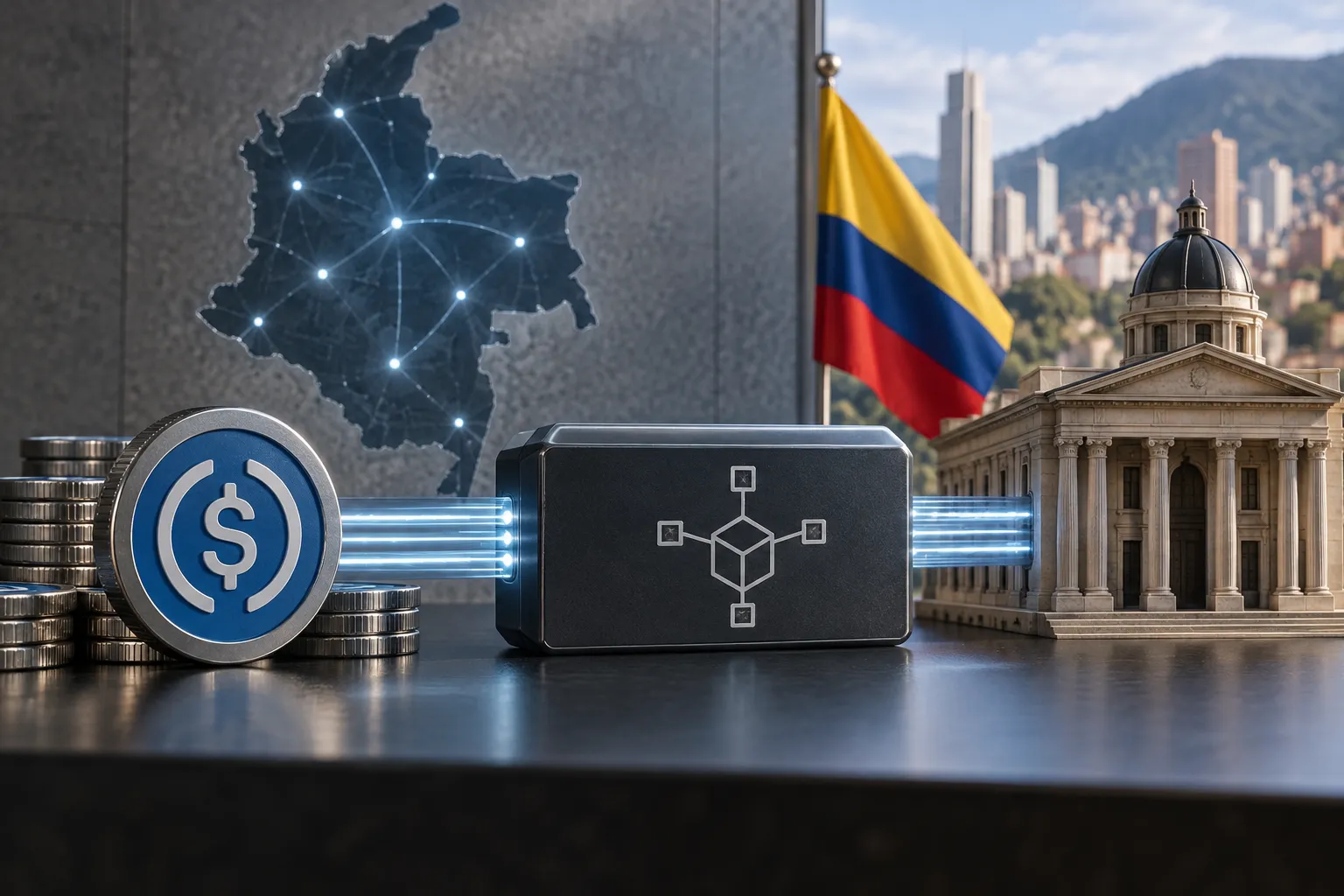
ACI Worldwide and Circle announced a pilot on October 27, 2026, involving USDC and connectivity to Colombia’s Bre-B instant payments system. The integration runs through ACI Connetic, a payments orchestration platform, rather than embedding USDC in Bre-B’s central infrastructure. There is no indication that Colombia’s central bank has adopted USDC as a settlement asset for the national network. The distinction matters because ACI also supplies technology for Bre-B’s central directory and real-time clearing engine. Bre-B launched in October 2025 and handled more than 500 million transactions within five months. Connetic is designed to bring traditional payment rails and digital asset networks together without requiring banks to replace legacy core ledgers. ACI says the platform can support other digital assets and liquidity providers, so the pilot does not make USDC its exclusive option. The arrangement tests a vendor-level connection alongside an established public payment system, not a change to that system’s settlement rules.
Coinbase demonstrated machine-to-machine AI payment workflows at Sibos 2026 in Miami Beach, highlighting the Model Context Protocol, Agent-to-Agent protocol and its x402 payment standard. The demonstration followed the August general availability of Amazon Bedrock AgentCore Payments, which incorporates Coinbase Developer Platform wallet infrastructure and x402 settlement. The AWS service supports Coinbase Developer Platform and Stripe Privy wallets for autonomous USDC microtransactions, while keeping developer credentials separate from AI agents and applying deterministic spending limits. The work connects a conference demonstration to infrastructure already available to developers. Coinbase and AWS had also enabled publishers and API endpoints using AWS CloudFront and AWS WAF to monetize autonomous agent traffic through x402. Coinbase Institute research argues that AI agents need sub-cent stablecoin payments, although that argument is not evidence of transaction volumes. The developments show how payment authorization, wallet access and settlement are being assembled for agent-initiated transactions, without establishing how widely the technology is used.